Flim Flam Cute Flamingo Witty Humor
First Impressions: Playful, Punchy, and Ready for Real Life
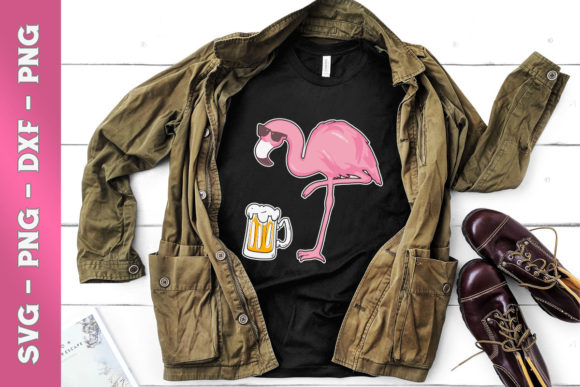
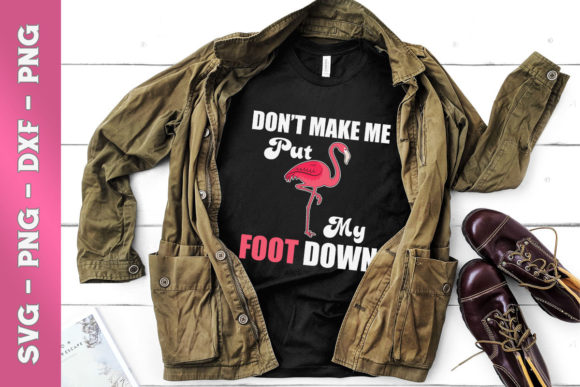
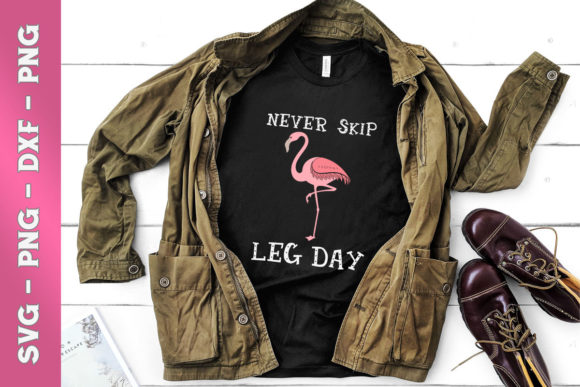
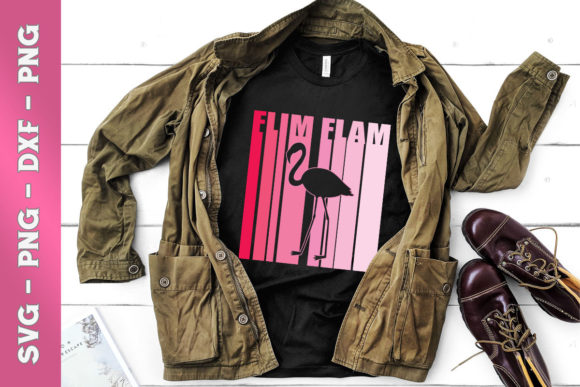
When I opened the Flim Flam Cute Flamingo Witty Humor files, I didn’t just see a cartoon bird—I saw a mood. Bright, cheeky, and effortlessly charming, this design lands somewhere between vintage postcard whimsy and modern craft-store cool. The flamingo’s pose is relaxed but confident; the “Flim Flam” text curves with gentle rhythm, not forced tightness. It’s not overly detailed—no tiny feathers or micro-shading—but it’s *intentionally* expressive: bold outlines, clean negative space, and balanced proportions that suggest it’ll translate well from screen to stitch.
A Real-World Test: Embroidering It on a Linen-Cotton Tote Bag
Last week, I used Flim Flam Cute Flamingo Witty Humor for a small-batch run of embroidered tote bags—linen-cotton blend, medium weight, light beige. I chose a 4" hoop and paired it with tear-away stabilizer (lightweight cutaway would’ve worked too, but wasn’t needed). The result? Crisp satin-stitched outlines, smooth fill-stitched body areas, and zero puckering—even across the slight texture of the fabric. Customers loved how the flamingo “popped” without shouting. That’s the quiet strength of this design: it’s witty, not loud; cute, not cloying. It fits naturally on totes, aprons, tea towels, and baby onesies where personality matters more than precision.
Where It Shines—and Where to Pause
Flim Flam Cute Flamingo Witty Humor works beautifully on stable, mid-weight fabrics like cotton twill, canvas, denim, and structured knits. It’s ideal for sweatshirt embroidery (especially on crewnecks), custom apparel for boutique branding, and personalized gifts like nursery pillows or holiday kitchen towels. As a machine embroidery design, its moderate stitch density keeps run time reasonable and thread consumption predictable—key for Etsy sellers managing batch production.
But here’s what I’d flag before stitching: avoid using it on highly stretchy fabrics (like ribbed jersey) without proper cutaway stabilizer and careful hooping. Tiny corners—especially where the “g” in “Flam” tucks under—can blur if stitched too densely or on thin fabric. On dark garments, test your thread colors first: a soft coral or warm pink reads friendlier than neon, and white thread can look stark unless you’re going for high contrast. And while it scales down decently, I wouldn’t go smaller than 3.5" wide on caps or curved surfaces—the lettering starts to lose legibility.
Design Assets That Build Trust
What makes Flim Flam Cute Flamingo Witty Humor stand out among T-Shirt Designs and Graphics isn’t just charm—it’s consistency. The included SVG, PNG, DXF, and EPS files mean I can prep mockups fast (PNG for socials, SVG for Cricut users, EPS for vector edits), and the clean lines hold up in both color and black-and-white previews. That matters when you’re selling digital embroidery files or listing handmade products online. Buyers notice when a design looks polished *before* they stitch it—and that perception carries over to their finished product. A well-executed Flim Flam Cute Flamingo Witty Humor on a baby romper signals care. On a boutique apron? It says “I pay attention to detail.” That builds customer trust, repeat orders, and word-of-mouth referrals.
Practical Notes Every Embroidery Designer Should Check
- Test first: Always run Flim Flam Cute Flamingo Witty Humor on scrap fabric matching your final project’s weight and stretch.
- Stabilizer matters: Use lightweight tear-away for stable wovens; switch to cutaway for knits or textured fabrics like terry cloth.
- Thread contrast is key: Try it in neutral tones (cream, charcoal, navy) as well as brights—some customers prefer subtlety.
- Hoop size check: Confirm your machine’s maximum hoop dimensions before scaling. This design fits comfortably in a 5"x7", but verify before loading.
- Inspect small details: Zoom in on the file—especially the “i” dot and curve of the flamingo’s neck—to ensure no stray vectors or overlapping paths.
- Licensing clarity: Since this is a digital embroidery file sold for instant download, review the seller’s terms before using Flim Flam Cute Flamingo Witty Humor in commercial embroidery, resale items, or digital product bundles.
Beyond the Stitch: Why This Design Fits Your Craft Business
I’ve used Flim Flam Cute Flamingo Witty Humor across three very different projects this season: a set of embroidered tea towels for a local café launch, a line of baby embroidery kits (with simplified stitch guides), and a limited-run patch collection for craft fair shoppers. Each time, it performed reliably—not as a “one-off novelty,” but as a versatile design asset. It bridges playful and professional, which is rare. That duality helps small shop owners maintain brand consistency while keeping offerings fresh. For Etsy sellers, it’s a strong candidate for seasonal listings (think “summer gift guide” or “nursery essentials”), especially paired with printable mockups showing it on different garment types.
It’s also gift-ready. Not because it’s flashy, but because it feels *human*: slightly offbeat, warm, and memorable. When someone receives a pillow cover with Flim Flam Cute Flamingo Witty Humor stitched neatly in the corner, they don’t just see a bird—they feel the intention behind it. That emotional resonance is what turns a handmade product into a keepsake.
Final Thought: A Design That Works as Hard as You Do
Flim Flam Cute Flamingo Witty Humor isn’t just another graphic—it’s a thoughtful, field-tested tool. It respects the realities of embroidery: fabric behavior, thread limitations, customer expectations, and the quiet pride of making something real. Whether you’re prepping for a craft fair, building an Etsy shop, or stitching custom gifts for friends, this design earns its place in your library. Just remember: test, stabilize, and trust your eye. Because the best embroidery doesn’t shout—it invites.