Dog Scottie Ask to Go Outside
A Designer’s First Look: Charm with Clear Intent
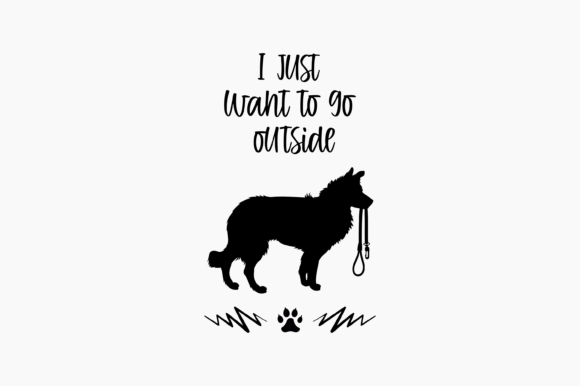
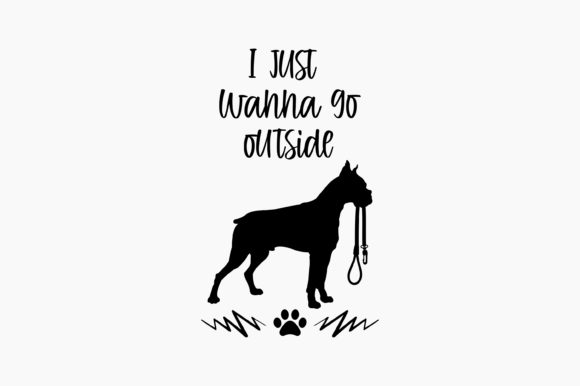
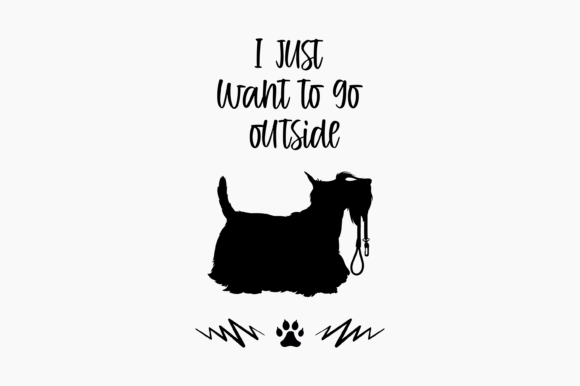
When I opened Dog Scottie Ask to Go Outside, my first thought wasn’t “cute”—it was “functional charm.” The Scottie silhouette is bold but not cartoonish, and the phrase “Ask to Go Outside” sits cleanly beneath it in a friendly, legible sans-serif. There’s no clutter, no unnecessary flourishes—just a confident, compact composition that reads instantly at 3–4 inches wide. As a designer who regularly selects embroidery files for boutique merchandise and personalized gifts, I appreciated how this design balances personality with practicality. It doesn’t try to be everything; it knows its role—and that makes it reliable.
Real-World Use: From Tote Bag to Nursery Gift
Last week, I used Dog Scottie Ask to Go Outside on a natural canvas tote for a local pet-friendly café’s staff gift set. Stitched in charcoal gray thread on off-white fabric, it landed perfectly: warm, approachable, and unmistakably dog-themed without leaning into kitsch. I’ve also tested it as a small chest embroidery on a baby sweatshirt—scaled down to 2.75 inches—and it held up beautifully. The lettering stayed crisp, and the Scottie’s outline retained definition even with lighter fill stitch density. That’s not guaranteed with every playful script-based design, especially when scaled for baby embroidery or embroidered patch production.
Where It Shines (and Where to Pause)
- Custom apparel: Works exceptionally well on crewneck sweatshirts, relaxed-fit tees, and structured aprons—especially where you want gentle humor with quiet sophistication.
- Personalized gifts: A standout for holiday embroidery on tea towels, pillow covers, or nursery decor. Pet lovers instantly recognize the tone—it feels like a shared inside joke, not a generic graphic.
- Small shop product: Fits seamlessly into an Etsy seller’s lineup of handmade pet-themed goods. Paired with a simple monogram or paw print accent, it adds commercial embroidery appeal without overcomplicating the layout.
- Printable mockups & digital previews: Because the vector-based nature of the SVG/EPS/DXF files holds clean edges, it renders sharply in digital embroidery file previews—ideal for craft business listings where visual trust matters.
Fabric & Function: What You’ll Want to Test First
While Dog Scottie Ask to Go Outside is forgiving across many substrates, don’t skip the test stitch—especially on textured fabrics like terry cloth towels or looped fleece sweatshirts. The clean line work helps, but dense fill areas (like the Scottie’s body) can flatten on high-pile surfaces if stabilizer isn’t matched carefully. On thin or stretchy fabric—think lightweight knits or baby onesies—I recommend using tear-away + light cutaway stabilizer combo to keep the lettering from distorting during hooping.
For dark fabric, avoid light-colored thread unless you’re adding underlay or backing. The phrase “Ask to Go Outside” relies on readability, so contrast is non-negotiable. And on curved surfaces—like caps or baseball hats—consider simplifying the text to just “Go Outside” if your hoop size limits vertical space. The original layout assumes a flat, horizontal application.
Design Integrity Meets Commercial Reality
This isn’t just a machine embroidery design—it’s a subtle brand signal. When stitched on a custom embroidered tote bag or boutique apron, Dog Scottie Ask to Go Outside communicates warmth, wit, and attention to detail. Customers notice that. It elevates a handmade product from “nice” to “thoughtfully made.” For Etsy sellers or small shop owners, that distinction affects perceived value, repeat purchases, and word-of-mouth trust.
I’ve seen similar themes fall flat when lettering gets muddy or proportions feel off—but here, the balance between icon and text feels intentional. That consistency supports brand cohesion, whether you’re building a pet-themed line or rounding out a seasonal holiday embroidery collection.
Practical Notes Every Embroidery Designer Should Keep Handy
- Always run a test stitch on scrap fabric matching your final project’s weight and texture.
- Check thread color contrast in both natural and artificial light—gray-on-navy looks different under studio LEDs than in daylight.
- Review stitch density: If your machine struggles with tight fills, consider reducing density by 5–8% for better breathability on apparel.
- Confirm hoop size compatibility before digitizing or resizing—some versions may assume a 4x4 hoop minimum.
- Inspect corners and curves in the satin stitch border (if present); they should flow smoothly, not pucker or gap.
- Test black-and-white mockups to assess clarity at smaller sizes—critical for baby embroidery or cap front designs.
- Verify licensing terms: Though described as “for unlimited use,” confirm whether resale of finished embroidered items is permitted—especially important for craft business and commercial embroidery workflows.
Final Thought: A Design That Earns Its Place
Dog Scottie Ask to Go Outside isn’t flashy—but it doesn’t need to be. In the world of Crafts and Graphics, reliability is rare currency. This design delivers consistent results across t-shirts, tote bags, sweatshirts, and nursery items—not because it’s technically perfect in every format, but because its simplicity serves real people making real things. Whether you’re an embroidery designer prepping client work, an Etsy seller curating a spring collection, or a hobbyist stitching a personalized gift, it’s the kind of design that quietly earns its spot in your go-to folder. Just remember: test, adjust, and trust your eye—not the hype.