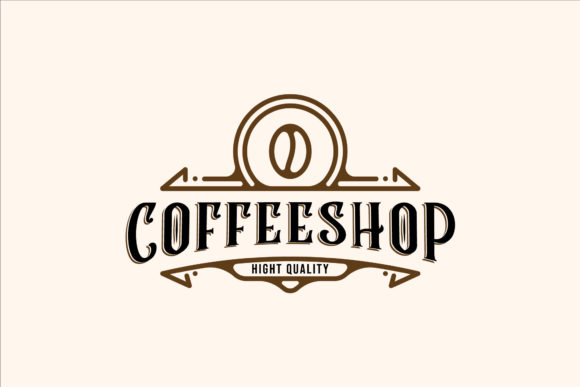
Coffee Shop Logo Line Art Vintage Vector: Graphics & Logos
First Impression: Warm, Authentic, and Instantly Recognizable
Opening Coffee Shop Logo Line Art Vintage Vector feels like flipping through a well-loved sketchbook—clean linework, subtle imperfections, and a gentle nod to mid-century café signage. It doesn’t scream “modern tech startup” or “luxury skincare.” Instead, it whispers “hand-poured,” “locally roasted,” and “slow mornings.” That’s its superpower: emotional resonance before a single word is read. For brand owners launching seasonal lattes, indie roasters building loyalty, or content creators designing Pinterest-ready blog graphics, this graphic design asset lands with warmth—not noise.
A Real Campaign in Motion: Refreshing a Local Roaster’s Social Identity
Imagine a small-batch coffee roaster preparing for their “Autumn Blend Launch.” They need cohesive visuals across Instagram carousels, email headers, printable in-store posters, and Canva templates for their wholesale partners. Coffee Shop Logo Line Art Vintage Vector becomes the unifying thread—not as a primary logo (it’s not built for standalone trademark use), but as a signature decorative brand element. Used as a corner accent on product labels, a repeating pattern in email banners, or a subtle watermark behind blog graphics, it reinforces authenticity without competing with core messaging.
Where This Graphic Design Asset Shines
- Hero graphics & campaign headers: Paired with warm neutrals or deep espresso tones, it adds character without clutter.
- Social media covers & story highlights: Its clean vector lines scale crisply on mobile—no pixelation, no loss of charm.
- Packaging accents & merchandise: Works beautifully on kraft paper bags, ceramic mugs, or sticker sheets—enhancing handmade appeal.
- Editorial layouts & lead magnets: Adds visual rhythm to PDF guides like “5 Morning Rituals for Creative Entrepreneurs.”
- Printable designs & content bundles: As part of a seasonal marketing kit (e.g., “Fall Content Pack”), it elevates perceived value instantly.
Marketing Goals It Directly Supports
This isn’t just decoration—it’s strategic visual shorthand. Coffee Shop Logo Line Art Vintage Vector strengthens first impressions by signaling intentionality: “We care about craft, not just caffeine.” It improves visual hierarchy when layered thoughtfully—say, framing a bold headline in a Facebook ad. Consistency rises when reused across touchpoints, building recognition faster than text alone. And because it evokes nostalgia and comfort, it fosters audience trust—especially among lifestyle-focused buyers who prioritize values over velocity. For digital sellers and online coaches offering “mindful productivity” programs, that emotional connection translates directly to engagement and retention.
Real-World Use Cases Across Channels
In packaging design, it softens minimalist kraft boxes without sacrificing sophistication. In social media graphics, it anchors Instagram posts alongside serif typography for editorial polish. On Pinterest pins, its high-contrast line art ensures readability even at thumbnail size. As part of a design bundle, it pairs seamlessly with coordinating SVG icons or coffee-themed clipart. For email banners or website headers, it adds personality while staying lightweight (thanks to SVG and EPS scalability). Even in digital ads, used sparingly as a border or divider, it lifts generic templates into professional branding territory.
Where to Proceed with Intention—Not Assumption
This graphic design asset thrives in expressive contexts—but has clear boundaries. Avoid using it in formal corporate branding (think law firms or fintech dashboards), dense infographics where clarity trumps charm, or tiny mobile buttons where line detail vanishes. It’s not ideal for low-contrast backgrounds (e.g., light grey on white) or overly minimal brands that rely on stark negative space. And because the text is non-editable, never force it into headline roles—its strength lies in supporting, not speaking.
Brand Designer Notes You’ll Actually Use
Before dropping Coffee Shop Logo Line Art Vintage Vector into your next campaign, run these checks: Test it against your full brand color palette—not just primary hues, but secondary and neutral tones. Print it in black and white to confirm legibility on receipts or packaging inserts. Drop it into real mockups: an Instagram post, a Canva template, a product label. Preview on mobile—does the line weight hold? Compare spacing against competitor visuals: does it feel distinct yet category-appropriate? Try pairing it with serif fonts (for editorial gravitas), sans serifs (for clean contrast), and script fonts (for artisanal warmth)—but avoid overcrowding. Most critically: verify commercial licensing. Whether you’re selling digital products, designing client packaging, or building a media kit, confirm usage rights align with your business model.
Why It Fits Creative Entrepreneurs—and Why It Stands Out
In today’s saturated creative marketplace, generic stock graphics erode differentiation. Coffee Shop Logo Line Art Vintage Vector offers something rarer: intentional aesthetic cohesion. It’s not “vintage-inspired”—it *feels* vintage, grounded in authentic line art tradition. For bloggers, podcasters, and small business branding, that nuance builds credibility. Unlike flat PNG design or overused clipart, its vector foundation (EPS 10, SVG, PDF, JPG) ensures flexibility across print and digital—making it a true multi-role design asset. Whether you're crafting a lead magnet, refreshing your Instagram grid, or designing merch for a pop-up event, it delivers professional branding without demanding professional design hours.
The Bottom Line for Marketers and Makers
Coffee Shop Logo Line Art Vintage Vector is more than a logo—it’s a tone-setter, a consistency anchor, and a quiet signal of care. It supports content marketing by adding visual texture without distraction, strengthens small business branding through emotional alignment, and elevates digital product visuals with timeless craft. When used intentionally—as accent, motif, or mood-setter—it doesn’t just fill space. It tells a story. And in a world scrolling past thousands of visuals daily, that story is the first thing people remember.